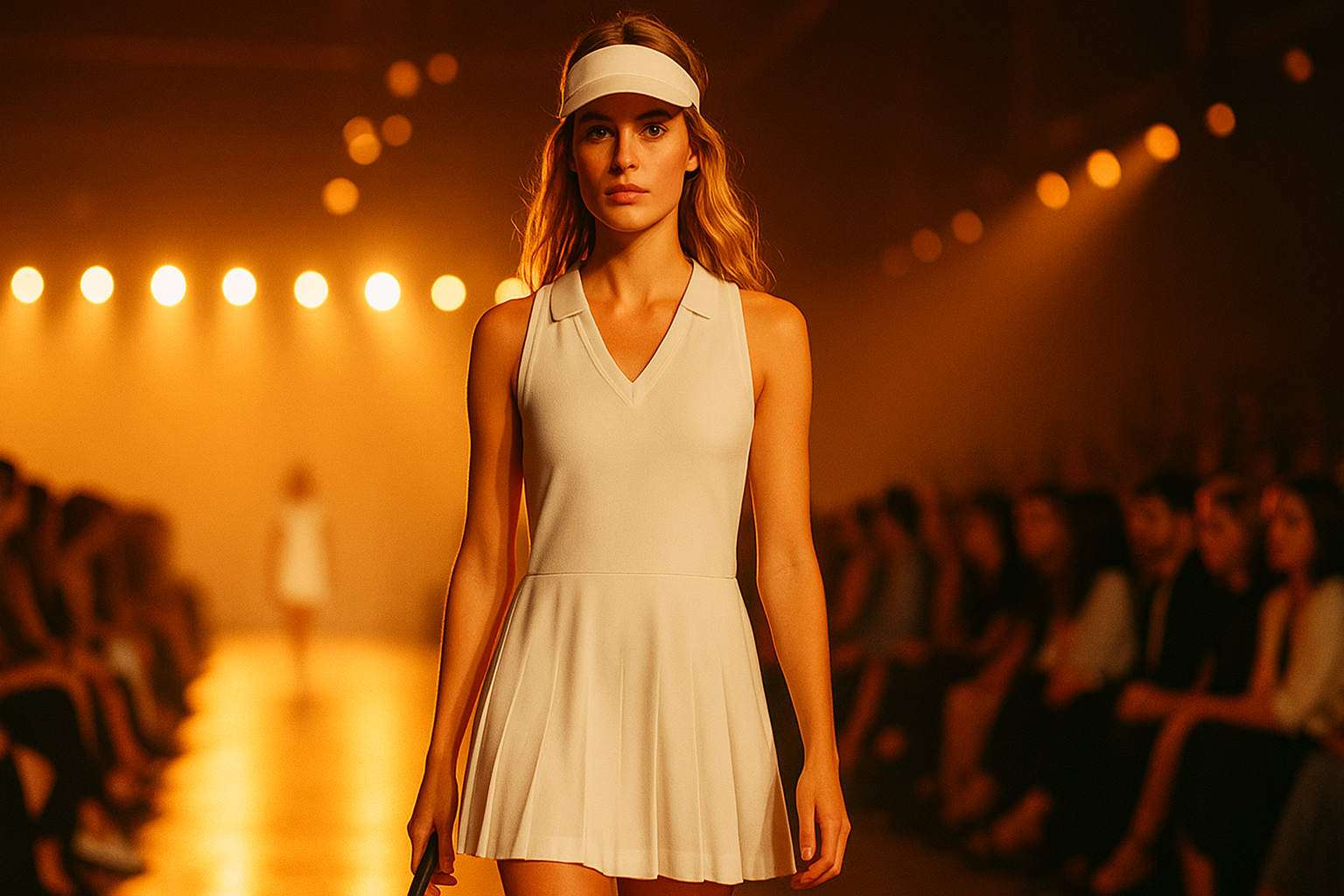
There is something happening in the world of tennis—something bigger than rankings, tournaments, or even the sport itself. Tennis is entering a new era, not driven only by champions on tour, but by everyday players, creators, travelers, and communities redefining what the sport feels like, looks like, and represents.
In this new era, tennis is no longer a hobby.
It’s a culture. A lifestyle. A global social movement.
From the bright visual language of tennis fashion to the intimate personal rituals players carry with them, from the rise of social tennis communities to the way courts have become social hubs in cities worldwide—tennis is expanding its identity far beyond the lines painted on the ground.
This is the story of that cultural shift: how tennis has transformed from a tradition-first sport into a modern movement rooted in connection, expression, identity, and joy.
Fashion has always been part of tennis. Even decades ago, tennis players had a recognizable silhouette: crisp whites, collared tops, pleated skirts, clean lines, minimalism with a hint of elegance. But for the longest time, tennis fashion was constrained by tradition—uniform, subtle, restrained.
Over the last several years, however, something changed. Tennis fashion broke out of its own box, and the tennis community embraced a bold new aesthetic: one that blends performance, personality, and pop culture.
Today’s players—especially juniors and young competitors—see tennis clothes not just as functional gear, but as a reflection of who they are. It’s why you’ll see:
For this generation, tennis fashion is as much about identity as it is about performance. It’s personal. It’s expressive. And importantly, it’s fun.
The mainstream world has taken notice. Celebrities, designers, and influencers who don’t play a single set are still wearing tennis skirts, track jackets, and classic white sneakers.
Tennis style has infiltrated:
There’s a reason for that: the tennis aesthetic has a timeless clarity. It’s clean. Fresh. Athletic without being intimidating. It tells a story of discipline and movement, but also elegance and creativity.
Even off the court, the tennis look suggests something about a person.
If someone walks into a coffee shop in a pleated skirt or a warm-up jacket with a racquet bag slung over their shoulder, the message is clear:
“I care about my craft. I work on myself. I belong to a community.”
That subtle cultural signal is part of why tennis fashion has become iconic—and why its rise won’t slow down any time soon.
Every sport has routines. But tennis rituals—the deeply personal, almost meditative habits players repeat—create a uniquely emotional environment.
These rituals are part of the fabric of the sport. They’re the details players rarely talk about, yet every player shares in some way, whether consciously or not.
Across age groups, social groups, and countries, you will see players repeating many of the same actions:
These rituals are not superstitions—they’re grounding.
They connect players to themselves, to the moment, and to the game.
And they are one of the strongest reasons tennis feels like a lifestyle, not just a sport. Because rituals weave tennis into everyday life.
The modern tennis generation adds new layers to these traditions:
These habits create community. When one player posts their tournament morning routine, thousands of others recognize a piece of themselves in it.
Tennis rituals used to be invisible. Now they’re cultural currency—tiny windows into the emotional world of players everywhere.
Perhaps the most transformative part of today’s tennis culture is the way players connect.
Tennis used to be isolated.
Players practiced alone, traveled alone, competed alone. Community formed on teams, but not always beyond them.
That has changed entirely.
Platforms like Instagram, TikTok, and YouTube didn’t just give tennis players a voice—they gave them each other.
Players now:
Suddenly, a junior player in Florida can be inspired by a girl in Barcelona, practice a drill taught by a coach in Seoul, and chat with a player from London after seeing their reel.
Tennis has become one big, supportive, global group chat.
The new culture emphasizes connection over comparison. You see players:
This shift is meaningful.
Tennis finally feels like a network—like belonging.
Platforms like Tennis2Tennis are emerging because the culture demands it.
Players want:
The new era of tennis is not about isolation; it is about collective identity. And Tennis2Tennis is part of the movement bringing players closer—emotionally, socially, creatively, and globally.

Beyond fashion, rituals, and community, tennis has seeped into everyday life for countless players. The lifestyle extends far beyond court time.
Tennis players travel differently than most people:
And because tennis players love sharing experiences, tennis-travel content has exploded online—from “tennis day in Rome” to “best courts in California” to “hidden tennis gems around Europe.”
Tennis teaches a unique emotional skill set:
Because matches are one-on-one battles, tennis players learn early how to manage frustration, maintain focus, adapt strategy, and stay composed.
This mindset becomes part of how players live—how they approach school, relationships, challenges, and goals.
Tennis connections often become some of the strongest relationships players have. Why?
Because you’re not just practicing with someone.
You’re sweating, struggling, improving, traveling, dreaming, and growing together.
Teammates become friends.
Tournament buddies become family.
Coaches become mentors for life.
The tennis lifestyle is intensely social—and the friendships built through tennis tend to last forever.
Tennis culture’s rise isn’t accidental. It reflects shifts in the world and the people in it.
Here’s why this moment is meaningful:
As lives move online, tennis provides:
Players feel less alone when their community expands beyond their local courts.
Whether through fashion, content, rituals, or storytelling, tennis encourages individuality.
Players express themselves, bring their personality into their game, and share their journey with others.
Parents, juniors, teens, young adults—everyone plays side-by-side.
Tennis is one of the rare sports where a 10-year-old and a 60-year-old can share the same court and both find joy.
The platform exists to:
We are not just participating in the rise of tennis culture—
we are helping shape it.
Tennis is evolving. It is vibrant, expressive, emotional, and connected. It’s becoming one of the most culturally influential sports in the world—not just because of champions on tour, but because of the players living it every day.
The fashion, the rituals, the friendships, the travel, the lifestyle—
they create a world that feels magnetic, inspiring, and deeply human.
And Tennis2Tennis is here to celebrate that world.
This is tennis—
not just played, but lived.
Not just a sport, but a culture.
Not just for the elite, but for all of us.