
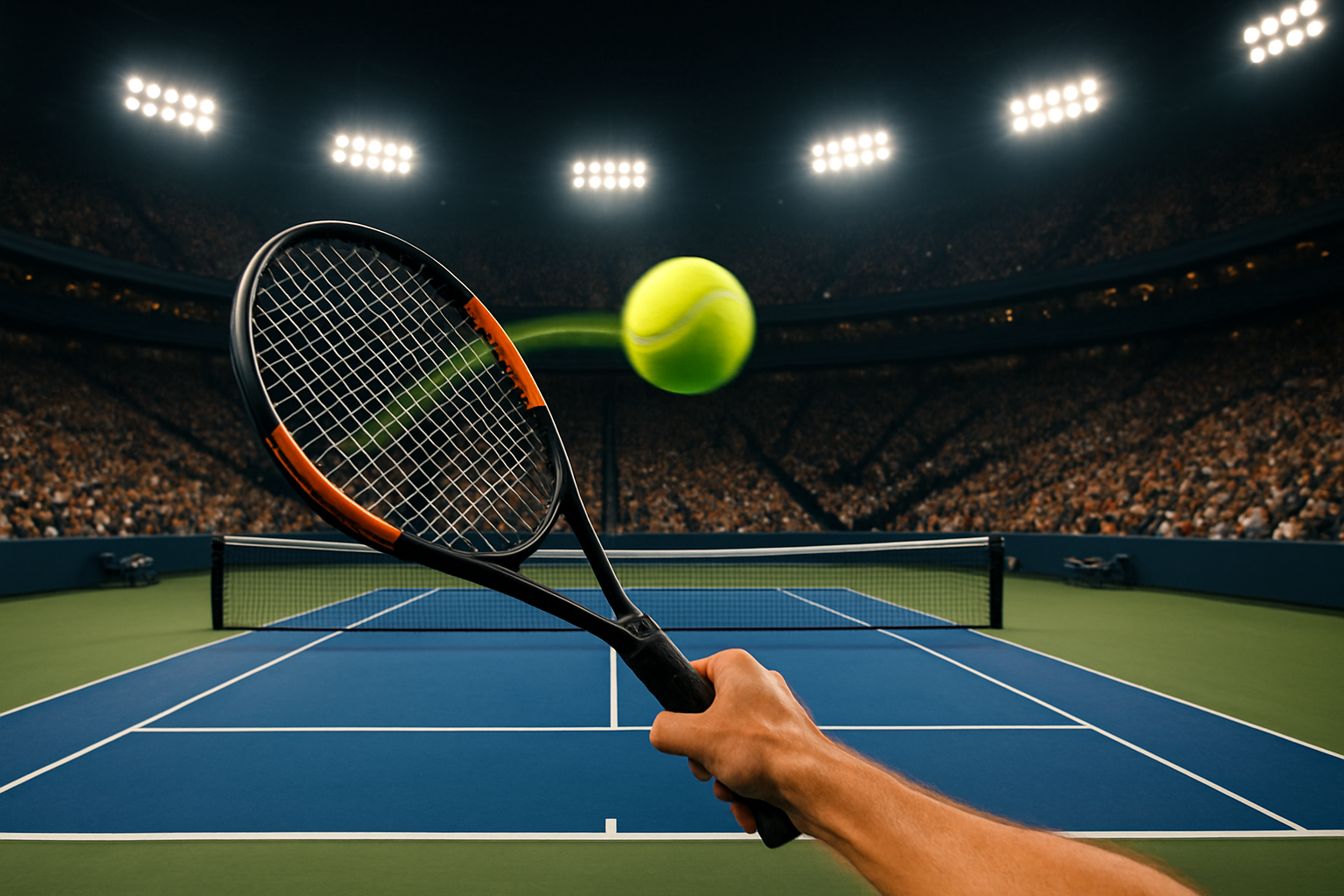
There is a specific feeling that washes over you the moment you step onto a tennis court. The air seems to shift, the sound of your footsteps takes on an echo, and even before your racquet meets the ball, you sense that the ground beneath you is going to determine not just how you hit, but who you become that day. Tennis players sometimes forget that this game begins long before the first serve. It begins with how the surface receives your movement, how the ball leaves the ground, and how your body responds to the personality of the court itself.
Most players believe performance starts with technique, fitness, strategy, or mental toughness. But performance actually starts with the surface. The court is the foundation that shapes timing, balance, patterns, stamina, and emotionally — whether or not you feel in control. Yet the average player steps onto a court without thinking about what that surface wants from them, or whether it is working with them or against them. And in the world of professional tennis, a quiet but growing controversy has made this conversation unavoidable: many players and coaches believe ATP courts have become slower over the past decade, altering not just match outcomes, but entire careers.
At Tennis2Tennis, we don’t chase controversy just for the drama. We chase it because it often reveals deeper truths about performance. So today, we’re going on a journey — through the different personalities of tennis courts, the evolving nature of court speeds, the advantages they give top athletes, and most importantly, the ways you can use all of this knowledge to train smarter, compete better, and understand your own game on a deeper level than ever before.
This story isn’t about surfaces alone. It’s about you. And how the court beneath your feet can become your greatest teacher.
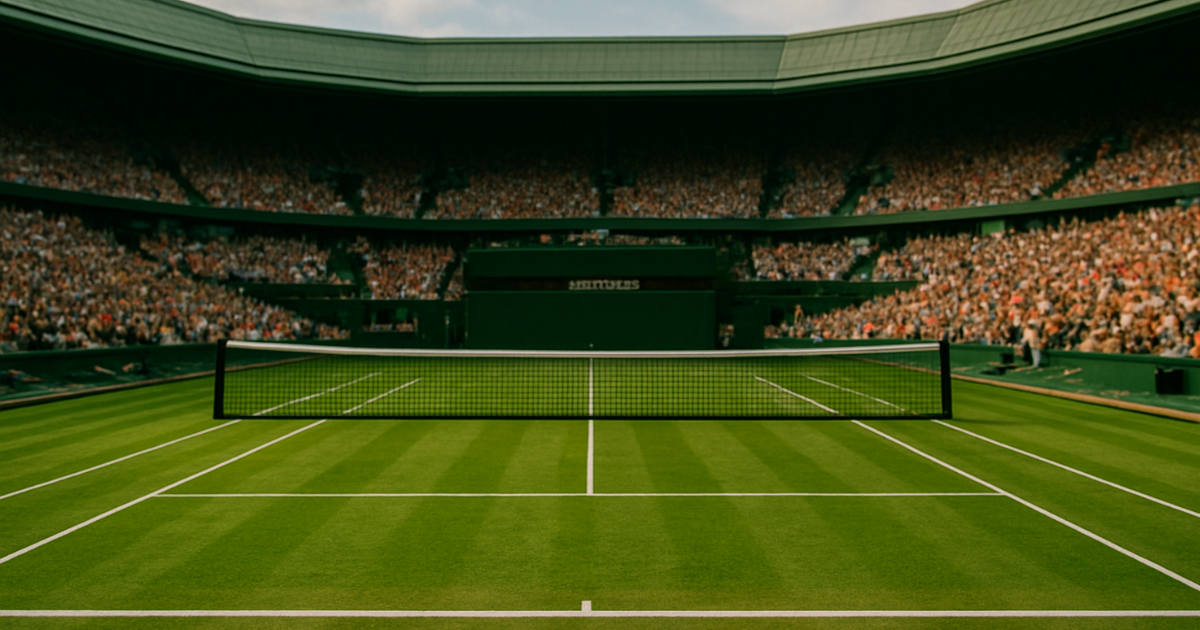
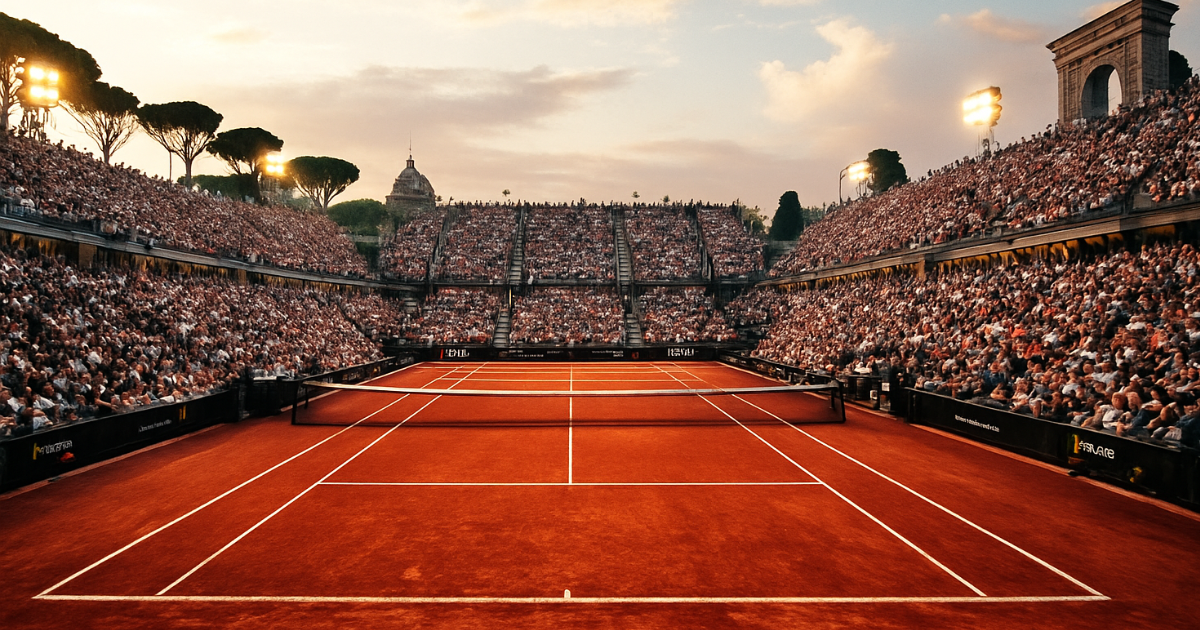
Imagine three courts sitting side by side: a hard court, a clay court, and a grass court. They may look like simple choices on a tournament entry sheet, but each one has its own voice, its own rhythm, and its own demands.
A hard court feels like the fairest conversation. The bounce is predictable, the pace is moderate, and the court rewards balance and clean mechanics. When you play on a hard court, you immediately sense that nothing will be exaggerated. Timing, footwork, and ball contact must be honest. Your strengths shine here, but so do your weaknesses. It is a surface that teaches you about who you truly are as a player.
A clay court feels more like a negotiation. Rallies grow longer. The ball rises higher. You must learn to wait for the right moment, rather than force it. The very act of sliding into a shot teaches you that efficiency outweighs explosiveness, and spin becomes your closest ally. Patience becomes a skill you can feel in your legs. You realize quickly that clay rewards discipline more than firepower.
Then there is grass — the wild artist among the trio. The ball skids, fades, or stays unexpectedly low. Your decisions must be immediate, unconscious, instinctive. Grass rewards creativity, improvisation, and the courage to shorten points before the court steals time from you. It feels like tennis with a heartbeat that runs faster than yours.
These differences matter because every player — from the rising junior to the seasoned pro — is shaped by the surface they train on. Court speed influences tempo, technical development, mental rhythm, and the patterns that become your default style. But this understanding has taken on new significance because of a growing belief that professional tennis is quietly reshaping these personalities in subtle but meaningful ways.
Spend enough time listening to commentary, post-match interviews, or the online discussions of long-time tennis observers, and you will hear a recurring theme: many believe ATP tournaments have deliberately slowed their courts. The bounce is higher. The rallies are longer. Matches feel more physically demanding than ever.
This belief isn’t without evidence. Over the past decade, analysts have noted that rallies on surfaces once considered faster — including indoor hard and certain outdoor hard events — have grown noticeably longer. Balls with thicker felt are often chosen to increase drag. Improved resurfacing technology allows tournament directors to create more consistent, higher-friction courts. Even indoor events, traditionally lightning fast, often feel closer to medium pace now.
Whether intentional or not, these changes alter performance dramatically. They affect who thrives, who struggles, and how matches unfold. They shift power from pure attackers to physically dominant baseliners. They challenge older players while benefiting those who rely on spin and stamina. And they create the perception — whether fair or not — that some athletes are being favored.
But the purpose of this article is not to settle that debate. Instead, it is to understand how these conditions reshape players and what lessons everyday athletes can draw from them. Because whether a court is slow by design or by accident, your ability to adapt to its demands can transform your performance.
Longer rallies reward physical endurance. On a slow court, the player who can stay mentally and physically steady through twenty-ball exchanges gains a massive advantage. The modern professional is an athletic marvel — stronger, fitter, and more technically polished than players from earlier eras. When a court slows down, these physical gifts become even more pronounced.
Topspin becomes a form of pressure. Slower surfaces amplify the effect of spin, making high, heavy balls bounce even higher. This pushes opponents back behind the baseline, giving the spinning player more time and more control. A player whose style naturally produces twenty revolutions more per second gains a strategic edge that compounds with every rally.
Defensive skills become nearly unbreakable. On fast courts, an aggressive player can finish points with a well-struck winner. On slower courts, those same balls come back — again, and again, and again. This favors players who anticipate well, recover explosively, and remain calm under prolonged pressure.
Serve-dependent players lose some of their edge. A slower surface reduces free points and forces servers into rallies they don’t always want. When aces drop and returns come back deeper, the match becomes less about first strikes and more about sustained exchanges.
None of this suggests that slower courts are unfair. But it does explain why certain ATP players appear superhuman under current conditions. Their strengths — physical domination, relentless consistency, heavy spin, tactical patience — are amplified by surfaces that reduce the influence of quick-strike aggression.
And here lies the lesson for the rest of us: the traits rewarded on slow courts are the traits that produce long-term improvement and stable performance.
Slower courts reward completeness. They ask for patience, intelligence, adaptability, and emotional steadiness. They demand not just skill, but the layering of multiple skills. And for the everyday player, that is not a disadvantage — it is a roadmap.
When points last longer, learning to build them becomes essential. You no longer rely on a single strong shot. Instead, you learn to construct rallies with intention. You recognize the value of directing the ball deep into the court, of choosing crosscourt patterns to open space, of being patient enough to wait for the right ball rather than forcing an error from a poor position.
Ball shape becomes a defining feature of performance. You start to understand that the height, depth, and spin of your shot can influence the point more than raw power ever could. A higher ball buys time. A deeper ball steals it from your opponent. A spinning ball adds complexity. Suddenly, the rally becomes a conversation rather than a confrontation.
Movement becomes the core of your identity as a player. Slower surfaces ask you to arrive early, stay balanced, and recover intelligently. You begin to appreciate that anticipation can beat acceleration, and that arriving gently into a shot creates better performance than lunging desperately at the last second.
Neutral control becomes your anchor. You learn not to panic when the rally stretches beyond your comfort zone. Instead, you begin to enjoy the rhythm of longer exchanges. Your body feels more grounded. Your decisions become calmer. Your tennis becomes more expressive and less reactive.
And your second serve — once an afterthought — becomes a lifeline. You understand that a high, heavy, confident second serve allows you to start the point with purpose rather than fear. You begin to feel the connection between the quality of your serve and the freedom of your baseline game.
But none of this can exist without emotional endurance. Slow courts teach you patience, resilience, and persistence. They ask you to reset, not replay mistakes. They remind you that the best players are not always the ones who hit the hardest, but the ones who stay present the longest.
And that may be the greatest performance lesson of all.
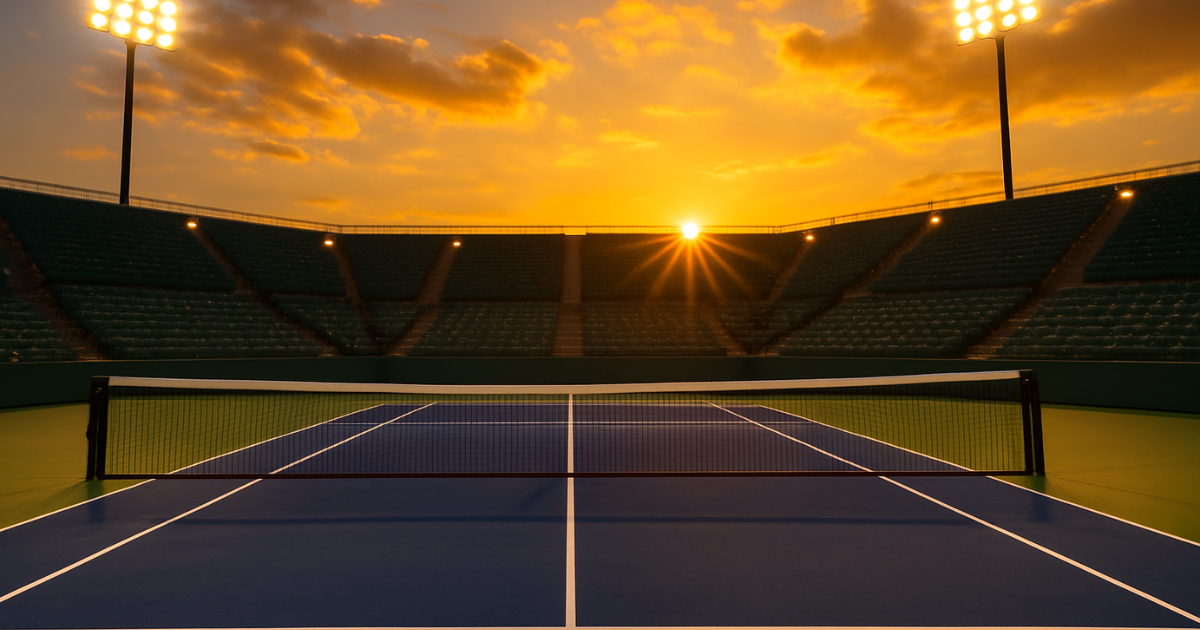
While professionals debate whether ATP courts have slowed and whether this trend favors certain athletes, you have a different mission. Your mission is to understand the surface beneath you and adapt in ways that elevate your game.
Your performance is dictated not by the politics of tennis, but by your willingness to evolve. A slower court can train your patience. A higher bounce can train your preparation. A heavier ball can train your footwork. A longer rally can train your focus.
You become better not by resisting the court, but by letting the court reshape your habits.
A fast learner will always outperform a fast hitter. A flexible mindset will always outperform rigid expectations. A player who understands the ground beneath their feet will always feel more in control than one who blames it.
Every time you walk onto a court, whether it’s hard, clay, or grass, you step into a story that continues from the last time you picked up your racquet. The surface may change. The bounce may surprise you. The conditions may demand more from you than you feel ready to give. But what remains constant is your ability to adapt, to grow, and to elevate your performance with intention.
You are not confined by the surface — you are shaped by it. You are not limited by the speed of the court — you are expanded by the challenge it presents. And you are not defined by controversy — you are defined by your commitment to evolving, point by point.
Performance is not a destination. It is a relationship with your environment, your body, your mindset, and your heart. And when you embrace that relationship fully, every court becomes a place where transformation is possible.
Welcome to Tennis2Tennis — where passion turns into purpose, where knowledge becomes performance, and where every player discovers the truth beneath their own feet.

2 Responses
This is amazing!
The different courts (clay, grass, and hard) do have differences.
I prefer clay! 🎾
Nice! Always remember it begins with what’s under your feet! 🙂